
AdPages Blog
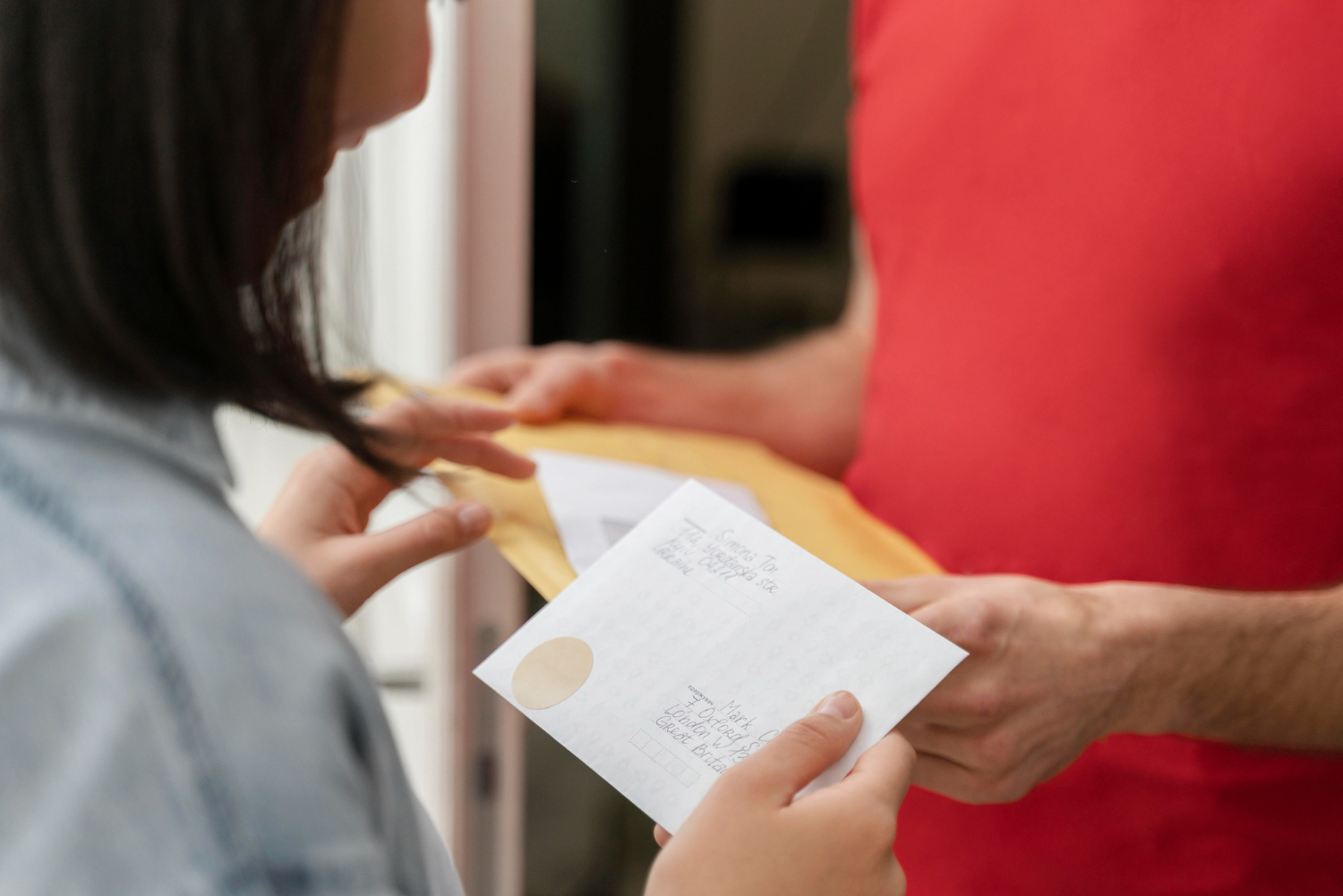

Understanding Local Print Media Reach in the Plano Area
In communities like Plano, staying connected isn’t just digital. While phones and screens are all around us, some things still hold space in our everyday routines, like checking the mail. Even with more ads showing up online, printed messages still get noticed. For people living just north of Dallas, that little stack of mail waiting at the door can make all the difference.
We’ve seen how local print media in Dallas still reaches people right where they live, and that same power carries into neighboring areas like Plano. In a time when attention is scattered, something simple and physical, a flyer, postcard, or coupon, can be the piece that sticks. Especially in growing cities, staying visible on paper still counts.
Print Still Finds Its Way Home
Digital ads may travel fast, but printed mail lives in the places where people actually spend their time. In Plano homes, that might be the kitchen counter, the coffee table, or pinned to the fridge. Even in tech-savvy households, we still sort through mail by hand, flipping through pieces that catch our eye. It’s part of a daily rhythm that hasn’t really gone away.
Printed ads have a feel to them. You can hold them, read them without glare, and save them without needing a charger. That simple act of looking through coupons with morning coffee or setting aside a postcard for later helps printed messages stay in sight.
It’s not about overwhelming people with more noise. It’s about sending simple, useful reminders that feel more like a neighbor dropping something off than a stranger shouting online.
Picking the Right Places to Reach: Plano and Nearby
Where a message shows up matters just as much as what it says. That’s why print media works so well for neighborhoods in and around Plano. Mailing by neighborhood or zip code means local businesses can connect directly with the homes that are most likely to care.
Instead of chasing clicks across the internet, businesses mailing to Plano homes can focus on real streets, real blocks, and real people. It keeps messages local and helps them feel more personal, which builds trust. That’s something digital ads can’t always pull off.
When someone opens a coupon book or holds a postcard with a business from right around the corner, it feels different from a random pop-up ad. It’s local in the truest sense, printed right and delivered close by.
What Makes a Local Ad Stick Around
Some ads grab attention for five seconds. Others stay on the counter for five days. What makes one live longer than the other often comes down to design.
From what we’ve seen, here’s what usually makes a printed ad stick:
- A clear headline that people can read at a glance
- Bright, clean visuals that match the mood of the message
- Simple layouts with one main offer or idea
- Local touches like a map, photo, or familiar name
When an ad is hard to read, too cluttered, or trying to cram in too much info, it tends to get tossed. But when it feels helpful right away, like a discount someone might actually use, it stays visible. That’s when print starts to work long-term, without needing a screen.
Weather, Timing, and Winter Habits
January in Plano means shorter days and cooler weather. It’s the kind of month where people stay indoors more often, which naturally gives home-delivered media a better shot at getting seen. With fewer distractions from outdoor plans or busy weekends, something as simple as checking the mail can be part of a slower, more focused routine.
This is a great time to reach households when they’re more likely to stop and look. Families are getting back to regular schedules after the holidays. They may be watching spending or planning home projects, which means they’re open to savings or local help.
Printed ads that land at the right time aren’t just reminders. They’re part of the day, slipping into quiet moments when people feel ready to take action. The key is showing up when attention is calm and more focused.
The Enduring Appeal of Tangible Media
There’s a unique quality to holding an ad or coupon in your hands. Unlike digital notifications that get swiped away, paper lingers, even unintentionally. For many Plano families, mail sorting turns into a quick scan for what’s relevant. Important offers get placed aside, tacked on a bulletin board, or added to a shopping list. The physical nature of print reinforces its presence in a household.
A printed piece also lends a bit of legitimacy to the business, signaling a local presence and a level of investment in the community. People often trust what’s in their mailbox more than what’s on their screen because it feels vetted, intentional, and free from the negative headlines about digital privacy and scams.
In neighborhoods experiencing growth and demographic changes like Plano, this steady local presence is especially valuable. Households are busy, and digital fatigue is common. Print, in contrast, feels like a brief pause, a way to connect to local businesses without the noise.
The Subtle Power of Repetition and Familiarity
One reason print works so well is repetition. Even if a household doesn’t act on a flyer immediately, repeated exposure builds familiarity. The same business logo or color scheme showing up each month becomes part of the household’s mental map. Later, when a need arises, people remember that familiar piece of mail.
This is how print gently influences decision-making over time. Unlike online ads that disappear as soon as you click away, print can live in a kitchen drawer or corkboard for weeks, serving as a quiet nudge.
Businesses that maintain a consistent print presence find that it pays off over seasons. People may not realize they need a particular service in January but remember when spring rolls around, simply because that business stuck with its print campaign during slower months.
Why Print and Digital Work Better Together
Print doesn’t have to stand alone. Some of the best local campaigns happen when print and digital support each other. When someone gets a flyer or mailer that catches their interest, they often look it up online later. That second connection is where web and social tools come in.
When we add something like a QR code or short, easy-to-type website link, it gives people a fast way to follow up. If the printed piece includes an offer or reminder, the follow-through is just a click away. Using digital platforms keeps things flexible, and the print piece creates a first moment that feels real.
Here’s what helps make the connection smooth:
- Matching the design and tone between print and online
- Using simple language that’s the same across both sides
- Giving people a reason to continue from paper to screen
Together, they boost each other. Print grabs attention, and digital lets people take the next step when they’re ready.
Print That Stays Local, Stays Strong
Print media hasn’t disappeared. It’s just learned to work smarter, especially in communities like Plano. When we keep it focused, simple, and connected to neighborhoods, it still does its job well. Local homes aren’t ignoring paper. They’re still opening it, reading it, and responding to what stands out.
As attention spreads thinner across devices, printed pieces create quiet space that digital ads can’t always reach. They work because they show up steady, right where people live.
When we build local print campaigns with care, and keep our neighbors in mind, that paper doesn’t just sit somewhere. It works. It gets seen. And for Plano families looking for someone they can trust nearby, it becomes part of their home.
At Ad Pages Solutions, we understand the strength of connecting with people where they live, especially in communities like Plano and nearby Dallas. Whether it’s a flyer, a coupon, or a printed reminder, local messages have a way of landing where digital ones can’t always reach. That’s why we continue to support businesses using methods that feel familiar and personal. If you’re looking to increase visibility through local print media in Dallas, we’re here to help guide the way. Contact us to get started.